
2026 Kia Sportage or Chevrolet Equinox: Which offers the most confidence-inspiring safety tech for winter around Chippewa Falls, WI?
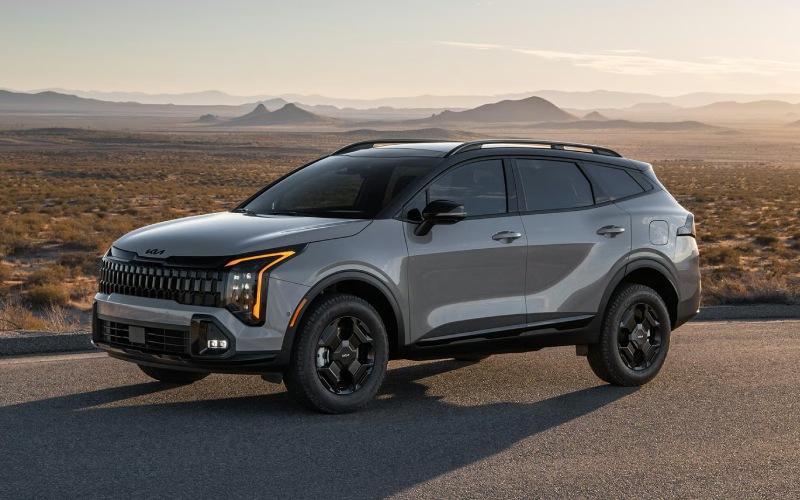
Prestige Kia - 2026 Kia Sportage or Chevrolet Equinox: Which offers the most confidence-inspiring safety tech for winter around Chippewa Falls, WI?
When drivers ask which compact SUV offers more confidence-inspiring safety technology for winter conditions, the conversation frequently narrows to a comparison of the latest Kia and Chevrolet entries. Families value a calm, predictable drive when snow squalls surprise the evening commute, and driver assistance can be the difference between stressful travel and a composed trip home. In this guide, we detail how core and available systems differ, where each model shines, and what matters most on icy, slushy streets. Along the way, we will also cover cabin usability and visibility features that support safe driving in low-contrast conditions.
Let’s start with standard protections. Both of these SUVs include a robust suite of collision-avoidance and driver-assistance technologies, such as Automatic Emergency Braking, Forward Collision warnings, and Lane Keeping aids. Where differences emerge is in how each model extends capability with available tech. One vehicle offers a camera-based Blind-Spot View Monitor that displays a live video feed in the gauge cluster when your turn signal is activated. That means you see down the side of your vehicle in real time without guesswork, a valuable advantage when salt spray and darkness reduce mirror clarity. That same model also offers Highway Driving Assist designed to help maintain set speed and distance and to assist with centering in marked lanes on certain highways, using a forward camera, radar, and navigation data.
On slick neighborhood streets and unplowed byways, traction technologies matter. Both SUVs offer all-wheel drive, but look for torque-vectoring behavior that actively distributes torque between the front and rear axles and can apportion power side to side to help the vehicle settle mid-corner. That can reduce wheelspin, stabilize the chassis, and give you confidence when pavement alternates between dry patches and black ice. Complementing the drivetrain, a Multi-Terrain Mode Selector with Snow, Mud, and Sand modes in certain situations can tailor throttle response and traction control to the surface beneath you, helping you pull away smoothly from a stop without drama.
Parking and low-speed maneuvering support is essential when snowbanks narrow drive lanes and frost builds along curb lines. Here, an available 360° Surround View Monitor or HD Surround Vision feature can provide an aerial perspective that reveals hidden obstacles. Standard front and rear parking sensors—and, on some models, available side parking sensors—add audible reinforcement when visibility is compromised by snow or fog. These tools help you negotiate tight parallel spots downtown or carefully back into a garage with winter gear stacked along the walls.
- Lane-change confidence: A live Blind-Spot View Monitor reduces uncertainty with real-time camera feeds.
- Highway steadiness: Available Highway Driving Assist supports pacing and centering on select highways.
- All-weather traction: Torque-vectoring AWD and Multi-Terrain Mode Selector aid winter grip.
- Close-quarters awareness: Surround View features and parking sensors assist in tight spaces.
Cabin tech also influences winter readiness. A large, intuitive display reduces eyes-off-road time, and standard Wireless Apple CarPlay® and Wireless Android Auto™ ensure you can route around storms and access audio hands-free without clutter. Remote Start & Climate Control can precondition the cabin, defog glass, and warm seats before you head out. For family logistics, class-leading second-row legroom keeps bulky winter jackets from crowding passengers, and class-leading cargo room with the rear seats up allows you to carry boots, totes, and grocery hauls with less reorganization.
For shoppers balancing school runs, downtown commutes, and weekend ski trips, the best winter SUV is the one that blends traction, awareness, and stress-reducing tech in a cohesive package. That’s exactly what we highlight on test drives—how the vehicle settles on slick curves, how seamlessly the driver assistance systems engage, and how the cockpit’s layout keeps focus on the road. If you want a walk-through of these features tailored to your needs, contact our team. Prestige Kia is committed to providing clear, helpful comparisons that align with real-world driving around Chippewa Falls.
Frequently Asked Questions:
Do I need torque-vectoring AWD for Wisconsin winters?
Not everyone needs it, but torque-vectoring AWD can noticeably improve stability on patchy ice and slush by proactively moving power where traction exists. If you routinely drive before plows arrive or live on hilly streets, it is a difference you will feel.
Is a camera-based Blind-Spot View Monitor worth it if I already have standard blind-spot alerts?
Yes. Traditional alerts advise you of objects, but the live camera feed gives visual confirmation in your gauge cluster, which is especially helpful at night or when mirrors are dirty from salt spray.
How useful is a 360° Surround View Monitor in winter?
It is extremely helpful for threading between snowbanks, aligning to garage walls, or navigating narrow alleys with reduced visibility. Paired with parking sensors, it takes much of the guesswork out of low-speed maneuvers.
What else should I prioritize for winter driving confidence?
Look for heated elements, Remote Start & Climate Control, high-output LED headlights, and a robust suite of driver-assistance features. Cabin space also matters—room for passengers in thick coats and space for winter gear can make each trip more comfortable.
Our showroom is serving Chippewa Falls, Menomonie, and La Crosse with guided test drives that let you feel how today’s assistance systems work on familiar streets. Tell us about your commute and weekend plans, and we will help you zero in on the configuration that best fits your winter routine.